

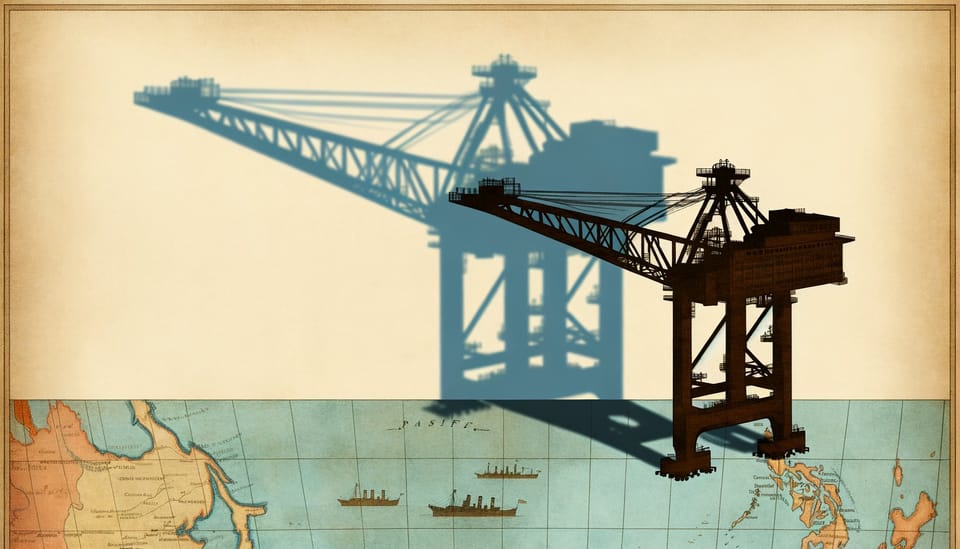
China's phantom fleet: Why chasing shadows in Latin America weakens Pacific deterrence
Beijing's Western Hemisphere presence consists of hospital ships and container ports, not warships. Yet American strategic culture struggles to ignore it, risking the very deterrence it claims to protect.

Trajectory Daily Brief: 22 January 2026
China builds roads while allies sharpen rhetoric but lack missiles. Trump threatens Greenland as Europe discovers strategic autonomy costs money.

Why India cannot stop Chinese infrastructure expansion on disputed himalayan borders
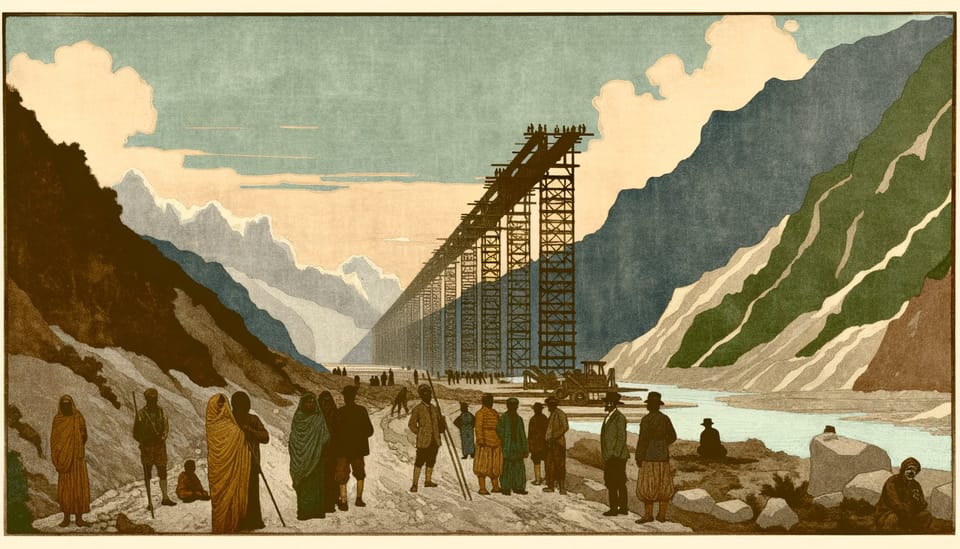
Why India cannot stop China's slow conquest of the Himalayas
India fields the world's fourth-largest military but watches helplessly as Chinese roads, railways, and villages advance across disputed territory. The answer lies not in firepower but in legal constraints, nuclear shadows, and the patient accumulation of concrete facts.
Trajectory Daily Brief: 21 January 2026
Pacific allies harden against China while losing capacity to fight. Trump's Greenland grab spurs EU defense spending it can't afford. Gulf states host US bases but lobby against Iran strikes.

Military capacity breaks first: Why US Pacific allies will run out of missiles before resolve

Why Pacific deterrence is failing from both ends at once
The assumption that US allies' political will and military capacity operate as separate variables—one of which might fail first—is wrong. They are degrading together in a feedback loop that may hollow out deterrence before anyone notices.

Australia's alliance dilemma: What happens when the US builds alternatives to Australian bases
The United States is quietly constructing military and intelligence alternatives across the Indo-Pacific that could bypass Australian political constraints in a crisis. Australia risks remaining a target while losing influence over the decisions that make it one.
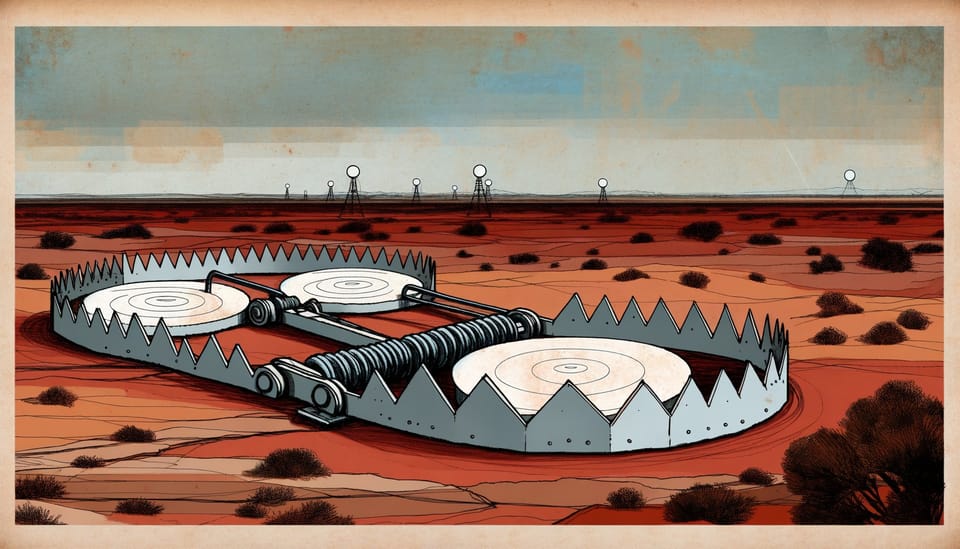
Why Australia cannot stay neutral in a US-China war
Australia hosts US military facilities so critical to American warfighting that Beijing would likely strike them in any serious conflict. The infrastructure that makes Australia valuable to Washington also makes it a target—and unlike the United States, Australia cannot absorb the consequences.

How China could neutralise US bases in Australia without firing a shot
Beijing's strategists have studied the facilities that enable American power projection from Australian soil. Their doctrine suggests disruption, sabotage, and psychological pressure may achieve more than missiles ever could—without triggering the war China wants to avoid.
Trajectory Daily Brief: 20 January 2026
Trump threatens Greenland as Europe discovers €1.8 trillion defense shortfall. Gulf allies host US bases while lobbying against Iran strikes. China builds islands faster than America builds cognitive defenses.
