
The Wires Beneath the Waves: How Submarine Cables Became the Pacific's Contested Terrain
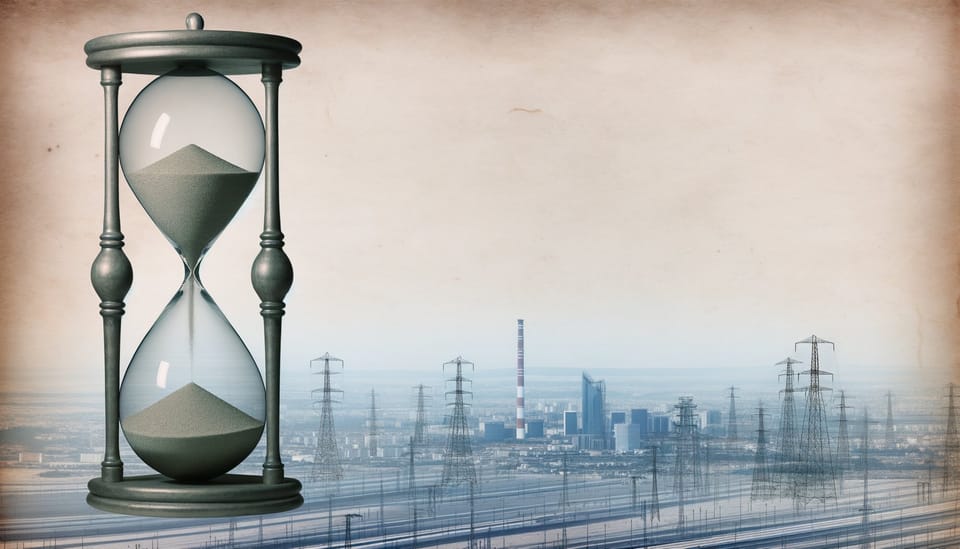
Taiwan experiences seven to eight cable breaks annually, most linked to China. The pattern reveals how submarine cables have transformed from neutral infrastructure into strategic terrain where great powers contest the physical substrate of the digital world.

The War Nobody Watches: Why Sudan's Genocide Remains Invisible to Western Powers
Sudan controls critical Red Sea access and Africa's third-largest gold reserves. Its civil war has killed tens of thousands and displaced millions. The US has declared genocide. Yet Western powers treat it as background noise—a structural failure with strategic consequences.

The Fragile Thread: Australia's Pacific Communications in a Taiwan Crisis
Ninety-seven percent of Pacific data flows through cables China could sever in hours. Australia's island partnerships depend on infrastructure designed for peacetime efficiency, not wartime resilience. The window to build redundancy is closing faster than procurement timelines assume.
Germany's Eastern Promise: Strategic Shift or Expensive Theater?
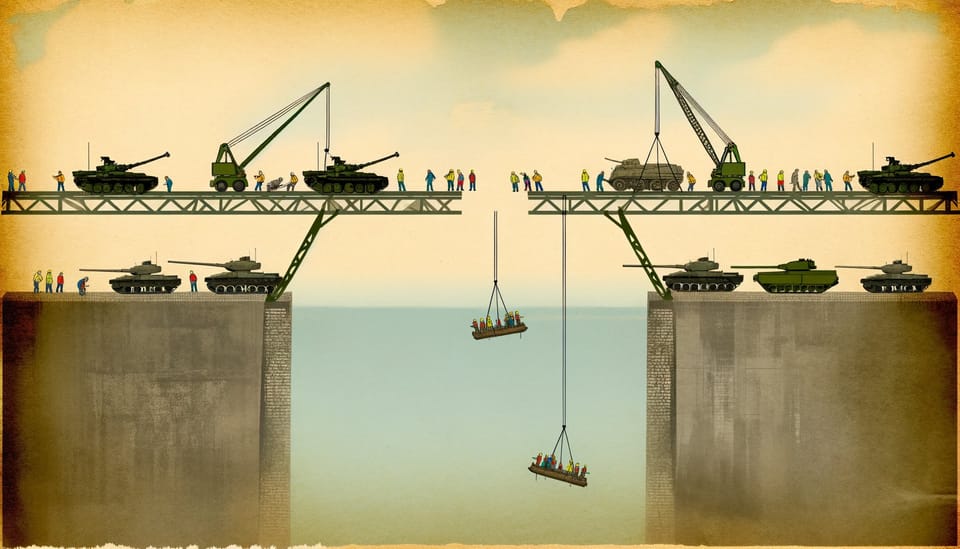
Berlin has pledged its first permanent foreign military deployment since 1945—a 5,000-strong brigade in Lithuania by 2027. The commitment is real. Whether Germany can fulfill it remains the central question for NATO's eastern flank.
The Sovereignty Loophole: Why NATO Cannot Stop Russia's Shadow Fleet
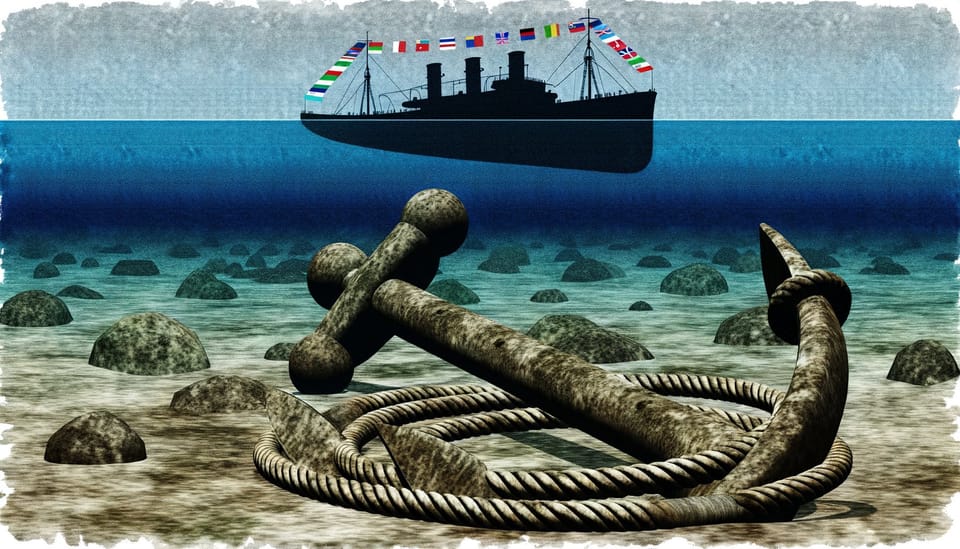
Over 600 Russian-linked vessels conduct espionage operations in European waters while NATO watches helplessly. The problem is not military capability but legal architecture—a gap between eighteenth-century maritime law and twenty-first-century hybrid warfare that the world's most powerful...
Daily Brief: 21 December 2025
The internet ran out of addresses 14 years ago, creating a digital tax on developing nations. Australia's terror threat came from a strategic partner, not the usual suspects.

The Signals That Drowned Themselves
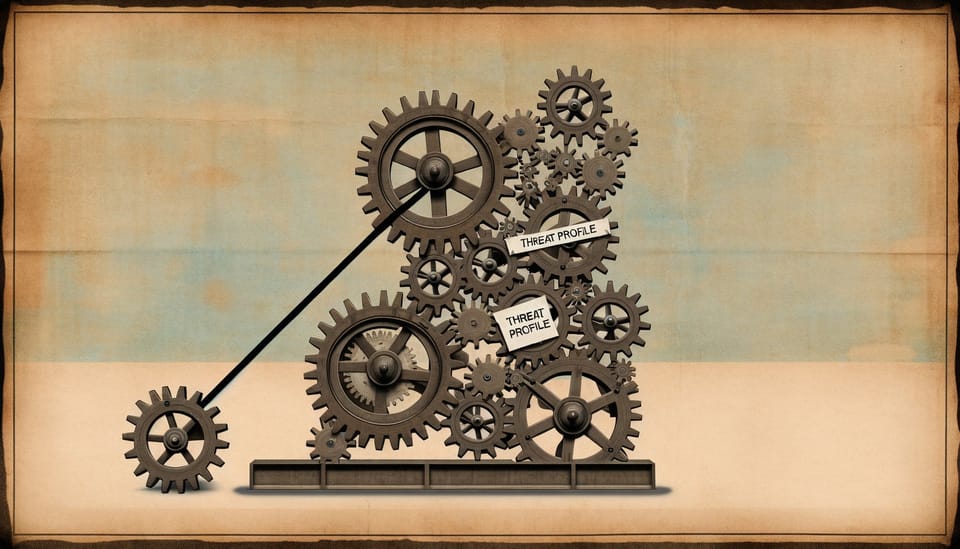
When Templates Trump Threats: Australia's Security Blind Spot
The Bondi Beach attack exposed a structural flaw in Australia's counter-terrorism architecture. When threat reality contradicts institutional templates, the system optimizes for legibility over security—with consequences that extend far beyond a single incident.

The Address That Wouldn't Die

Daily Brief: 20 December 2025
Aviation systems still run on 1960s code that six-character guesses can crack. Cannabis moves from Schedule I to III, creating more regulatory confusion than clarity.