


Daily Brief: 30 December 2025
Russian jammers cut American precision weapons' accuracy in half. Africa's newest military alliance fields 5,000 troops against insurgents that keep multiplying.
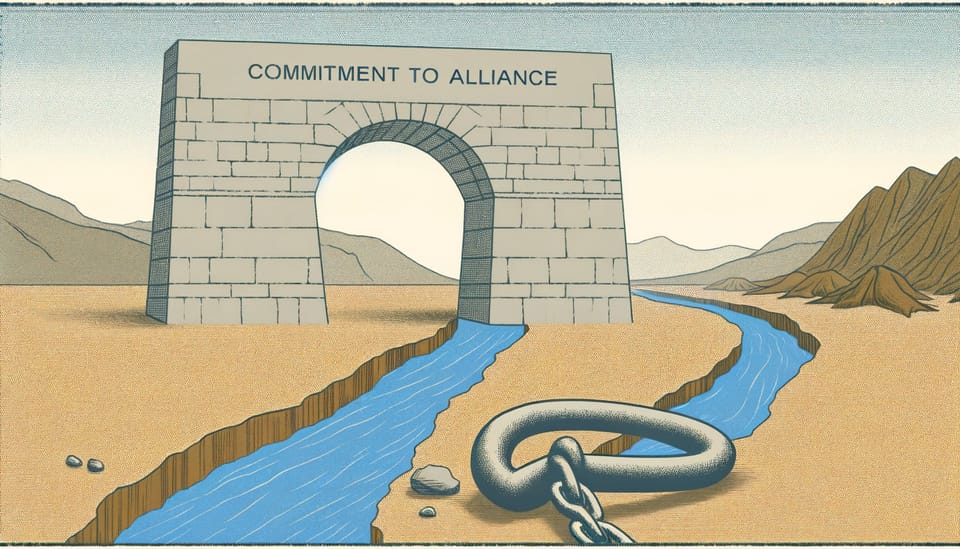
The Commitment Trap
Australia's $368 billion submarine program locks it into US alliance dependency while China remains its largest trading partner. Trump 2.0's economic loyalty tests are eliminating the space for strategic hedging.

The Precision Mirage: What Happens When GPS-Guided Weapons Meet Systematic Jamming
Western militaries built three decades of doctrine around satellite-guided precision. Russia and China built their counter-strategies around denying it. The weapons still work—but the advantage they promised is eroding faster than the modernization meant to restore it.

The Sahel's Sovereignty Ritual: Why the Junta Alliance Fights Wars It Cannot Win
Mali, Niger, and Burkina Faso have launched joint military operations against jihadists with a force one-twentieth the size counterinsurgency requires. The offensive is not a strategy for victory—it is a performance of sovereignty that the three military governments cannot afford to abandon,...

Daily Brief: 29 December 2025
Pacific micro-states auction themselves to superpowers while Japan spends $58B on defense it constitutionally can't use offensively.

The Quiet Realignment: How Australia and Indonesia Are Rewriting Indo-Pacific Security
The new Australia-Indonesia defense treaty creates strategic ambiguity that complicates adversary planning while preserving Indonesian non-alignment—a model that could reshape regional security cooperation beyond traditional alliance structures.

The Quarry's Revenge: Can Australia Break China's Rare Earth Stranglehold?
Australia extracts rare earths then ships them to China for processing, creating circular dependency. The processing challenge is surmountable, but requires abandoning the fiction that mining equals sovereignty and accepting the true costs of strategic independence.
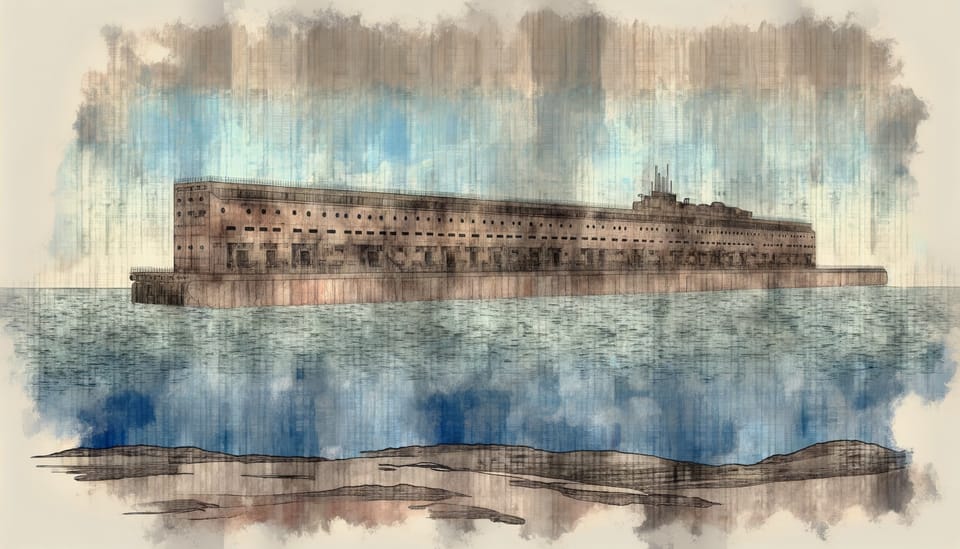
The Nuclear Mirage: Why Australia Can't Actually Maintain Nuclear Submarines
Three years after AUKUS, Australia lacks the dry docks, workforce, and industrial base to service nuclear submarines. The gap between political promises and physical reality grows wider each year.
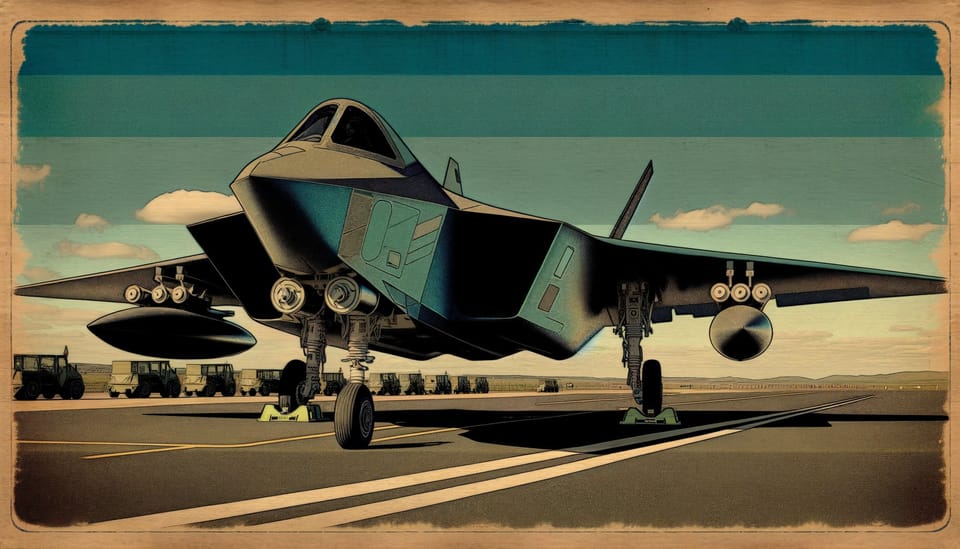
The Sacrificial Fleet
Australia's military exists to signal commitment through spectacular failure, not to win wars. This explains why $50 billion in annual spending hasn't produced readiness for high-intensity conflict.

The Carrier Question: China's Missiles and the Future of Taiwan Defense
China's long-range anti-ship missiles can now theoretically reach American carriers thousands of miles from its coast. But whether this capability translates into strategic advantage depends on kill chains, countermeasures, and political will—variables that neither side has tested in combat.
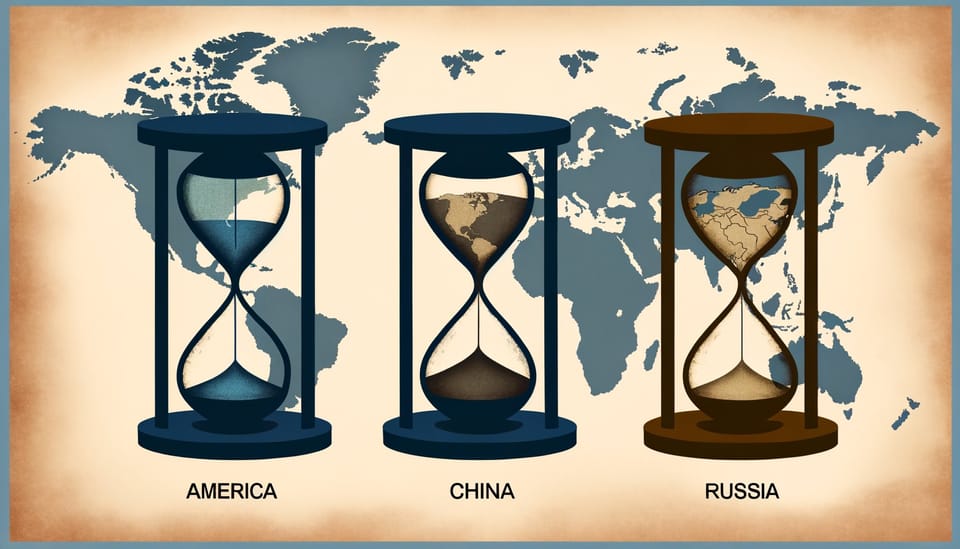
The Decade That Decides: America, China, and Russia's Collision Course
Three great powers operate on three incompatible timescales. Washington resets every four years, Beijing plans through 2035, Moscow thinks in generations. The next decade will reveal which clock keeps better time—and whether any of them can be synchronized before collision.
